Project
Urban Nest
Urban Nest

Client
Private Residence
Client
Private Residence
Client
Private Residence

Type
Residential building
Type
Residential building
Type
Residential building

Value
$2,850,000.00
Value
$2,850,000.00
Value
$2,850,000.00

Year
2024
Year
2024
Year
2024

Size
18,400 Sq Ft
Size
18,400 Sq Ft
Size
18,400 Sq Ft

Location
Brooklyn, NY
Location
Brooklyn, NY
Location
Brooklyn, NY

Services
Landscape design, interior design
Services
Landscape design, interior design
Services
Landscape design, interior design

Duration
10 Months
Duration
10 Months
Duration
10 Months
A place where shared spaces foster genuine community.
Project overview
A forward-thinking urban developer engaged Nolta Studio to design a co-living building that responds to the evolving needs of city dwellers in Brooklyn. The client envisioned more than a residential block — they wanted a vertical neighborhood, one that cultivates belonging without sacrificing individual comfort or identity.
Objective
To design a co-living building that treats shared life as an architectural opportunity — delivering compact, well-resolved private units alongside genuinely generous communal spaces. The project was conceived as a place where proximity becomes an asset: where corridors become thresholds, and shared terraces become extensions of home.
Scope
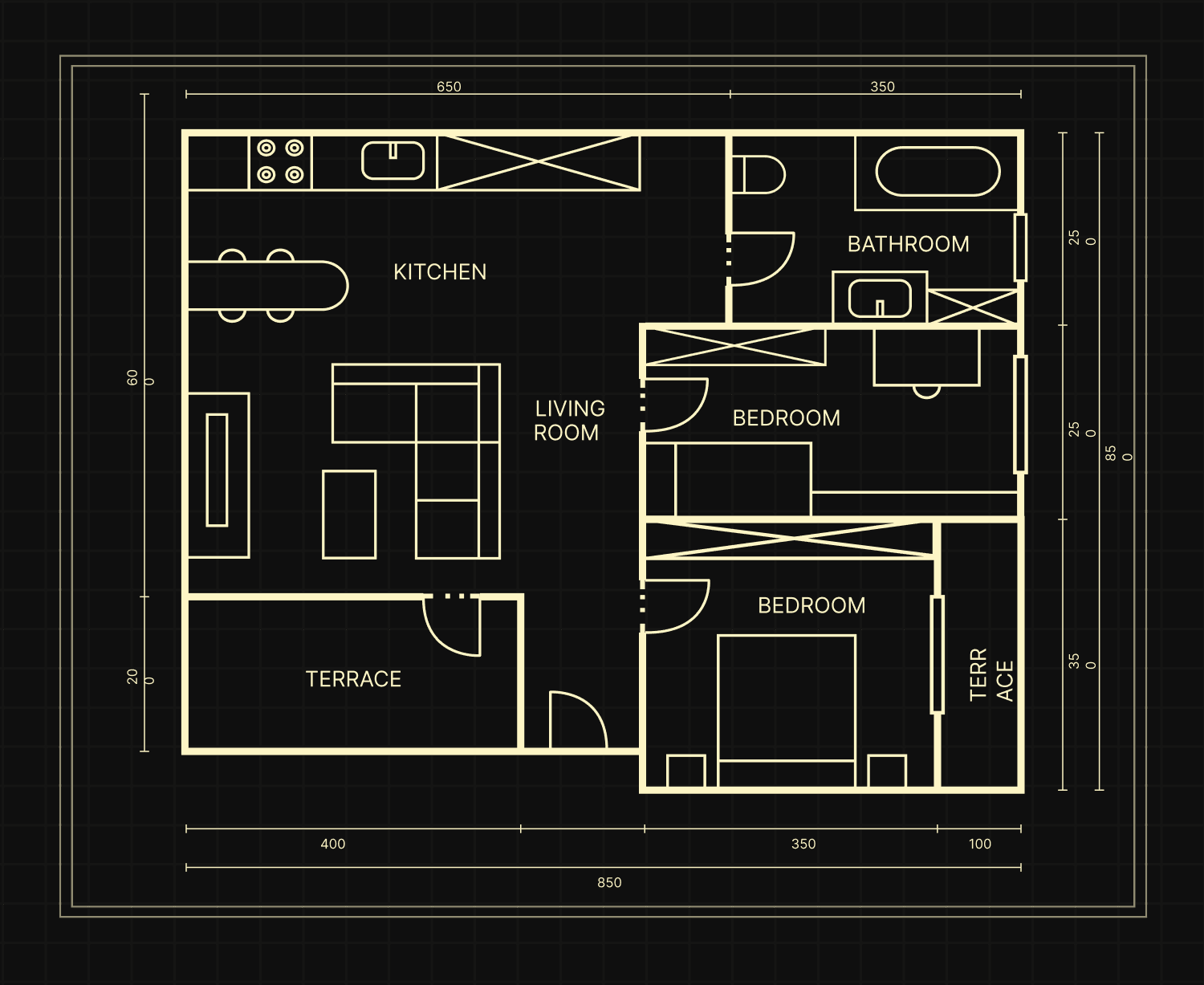
Design a seven-story co-living complex with studio, one-bedroom, and cluster-suite residential typologies.
Include shared amenities: a sky garden terrace, co-working floor, communal kitchen, and ground-level courtyard.
Integrate low-carbon design through cross-laminated timber structure.
Design approach and execution
Concept and vision
Urban Nest was conceived around a single idea: that the spaces between apartments matter as much as the apartments themselves. The building is organized around a vertical social spine — a sequence of widened landings, open alcoves, and planted terraces that transform circulation into occasion. Residents pass through shared life on the way to their own.
Design philosophy: Architecture as infrastructure for encounter — compact in plan, generous in spirit. Designed to encourage connection and comfort. Every space was shaped to support meaningful daily interaction.
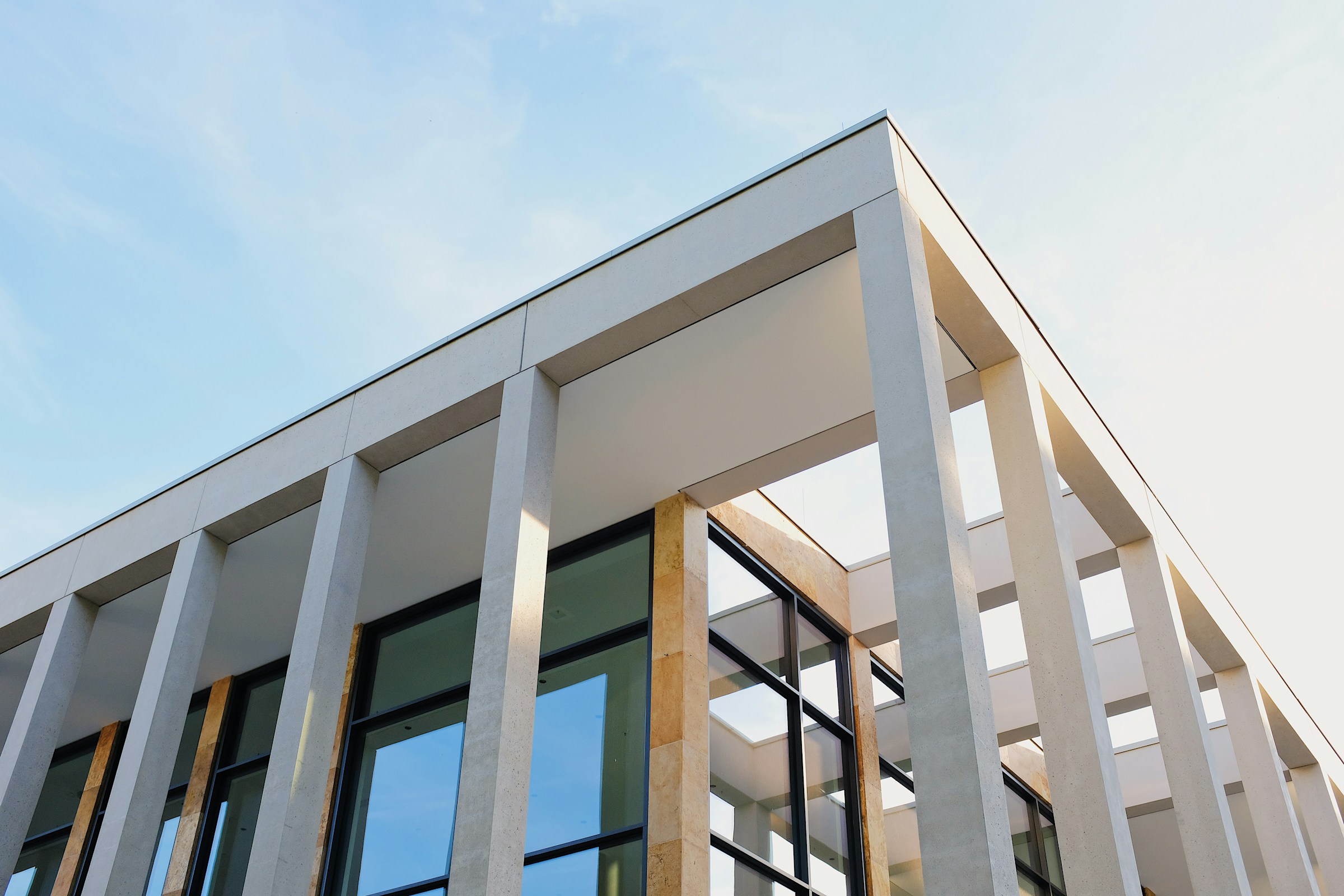
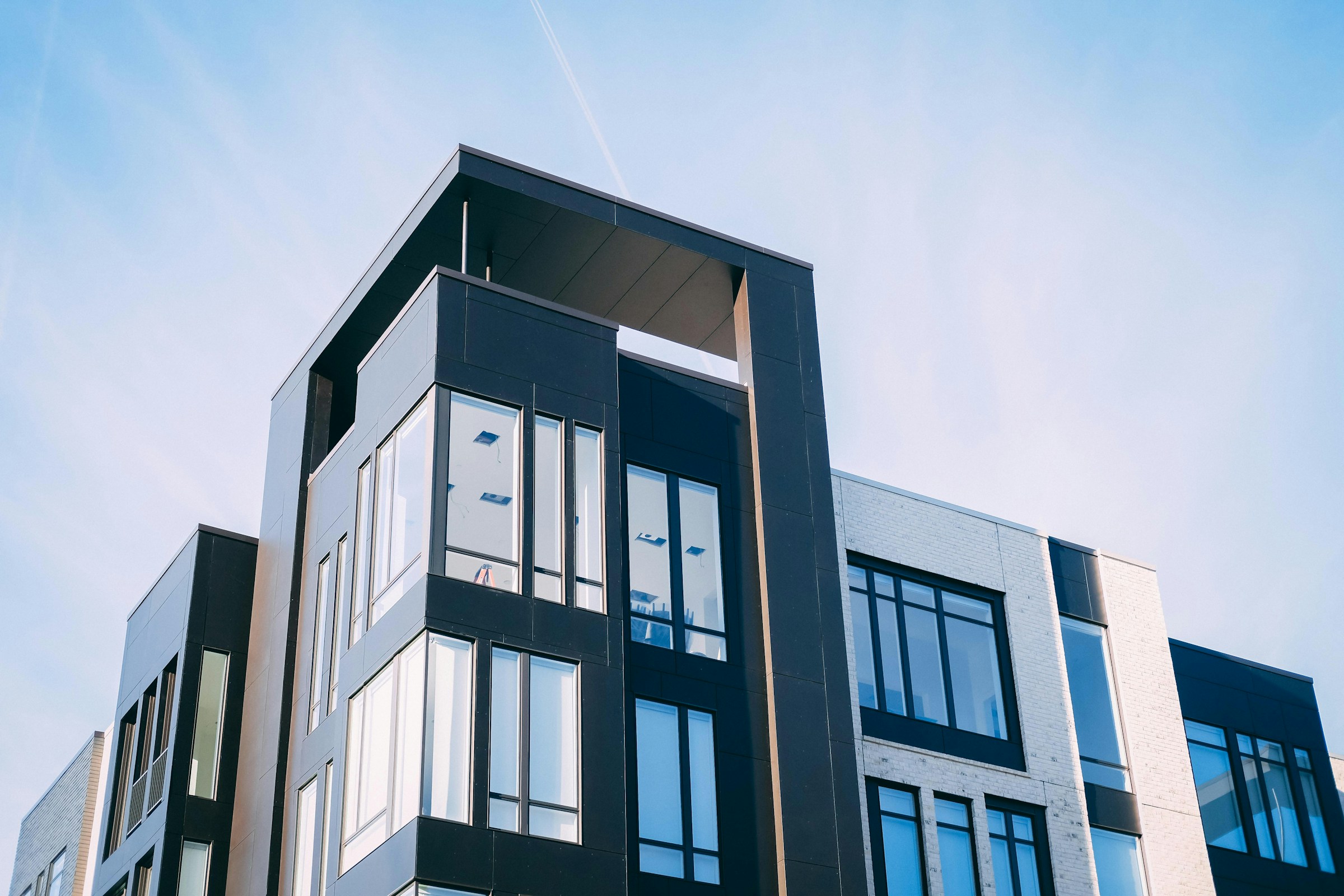
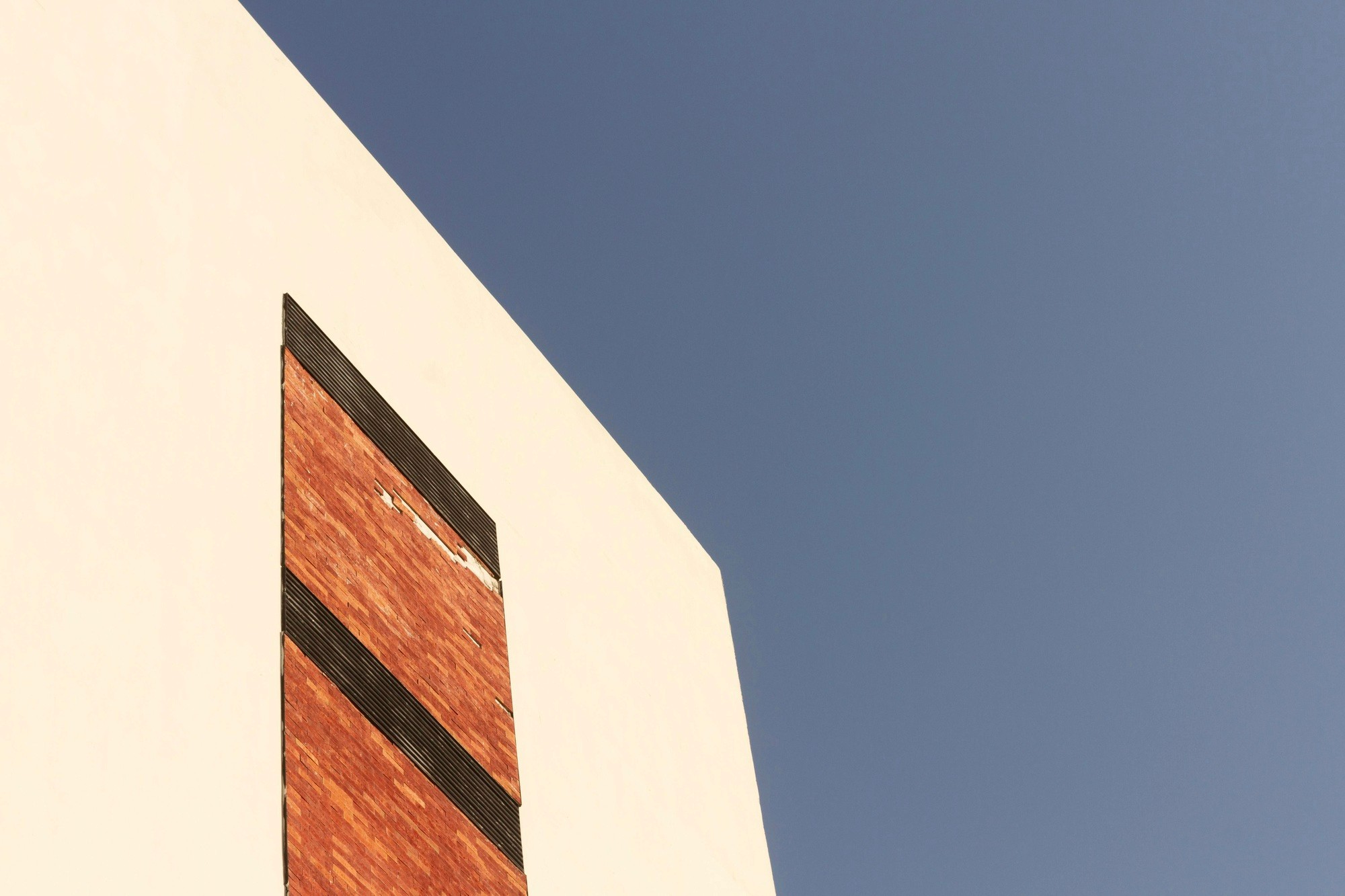
Key features: Reclaimed brick base, full-height glazing, CLT structure, and planted sky terrace. Each element was selected to balance durability, warmth, and environmental performance.
Execution
Phase 1: Community & site research
Resident interviews and neighborhood mapping informed the program before design began — ensuring the building responded to real patterns of urban life. Local circulation, sunlight exposure, and public activity were carefully analyzed to shape both the building’s footprint and communal areas. Early workshops with future residents also revealed a strong demand for flexible shared spaces that could support both work and social interaction.
Phase 2: Architectural development
The sectional arrangement was developed to place shared spaces at the building's social heart, with private units oriented for daylight and acoustic privacy. Material studies and façade iterations focused on balancing openness with a sense of shelter within the dense urban context.
Phase 3: Interior detailing
A restrained palette of exposed concrete, warm timber, and reclaimed brick runs throughout — honest, tactile, and consistent across private spaces alike. Custom-built storage and integrated furnishings were designed to reduce visual clutter and enhance functionality within compact interiors. Soft lighting creates a warm residential character.
Phase 4: Construction & completion
Completed in 2024, Urban Nest was fully occupied within six weeks of opening — a measure of how precisely the design met its residents' needs. Close collaboration between architects, contractors, and local craftspeople ensured the project maintained its design integrity through every construction phase. The finished development now acts as both a residential community and a contemporary model for thoughtful urban living.
Results and reflection
Urban Nest reframes what a city building can offer — not just shelter, but structure for a shared life. The project reflects Nolta Studio's belief that co-living, when designed with care, is one of the most humane responses to urban density: a form that brings into proximity.
A place where shared spaces foster genuine community.
Project overview
A forward-thinking urban developer engaged Nolta Studio to design a co-living building that responds to the evolving needs of city dwellers in Brooklyn. The client envisioned more than a residential block — they wanted a vertical neighborhood, one that cultivates belonging without sacrificing individual comfort or identity.
Objective
To design a co-living building that treats shared life as an architectural opportunity — delivering compact, well-resolved private units alongside genuinely generous communal spaces. The project was conceived as a place where proximity becomes an asset: where corridors become thresholds, and shared terraces become extensions of home.
Scope
Design a seven-story co-living complex with studio, one-bedroom, and cluster-suite residential typologies.
Include shared amenities: a sky garden terrace, co-working floor, communal kitchen, and ground-level courtyard.
Integrate low-carbon design through cross-laminated timber structure.
Design approach and execution
Concept and vision
Urban Nest was conceived around a single idea: that the spaces between apartments matter as much as the apartments themselves. The building is organized around a vertical social spine — a sequence of widened landings, open alcoves, and planted terraces that transform circulation into occasion. Residents pass through shared life on the way to their own.
Design philosophy: Architecture as infrastructure for encounter — compact in plan, generous in spirit. Designed to encourage connection and comfort. Every space was shaped to support meaningful daily interaction.
Key features: Reclaimed brick base, full-height glazing, CLT structure, and planted sky terrace. Each element was selected to balance durability, warmth, and environmental performance.
Execution
Phase 1: Community & site research
Resident interviews and neighborhood mapping informed the program before design began — ensuring the building responded to real patterns of urban life. Local circulation, sunlight exposure, and public activity were carefully analyzed to shape both the building’s footprint and communal areas. Early workshops with future residents also revealed a strong demand for flexible shared spaces that could support both work and social interaction.
Phase 2: Architectural development
The sectional arrangement was developed to place shared spaces at the building's social heart, with private units oriented for daylight and acoustic privacy. Material studies and façade iterations focused on balancing openness with a sense of shelter within the dense urban context.
Phase 3: Interior detailing
A restrained palette of exposed concrete, warm timber, and reclaimed brick runs throughout — honest, tactile, and consistent across private spaces alike. Custom-built storage and integrated furnishings were designed to reduce visual clutter and enhance functionality within compact interiors. Soft lighting creates a warm residential character.
Phase 4: Construction & completion
Completed in 2024, Urban Nest was fully occupied within six weeks of opening — a measure of how precisely the design met its residents' needs. Close collaboration between architects, contractors, and local craftspeople ensured the project maintained its design integrity through every construction phase. The finished development now acts as both a residential community and a contemporary model for thoughtful urban living.
Results and reflection
Urban Nest reframes what a city building can offer — not just shelter, but structure for a shared life. The project reflects Nolta Studio's belief that co-living, when designed with care, is one of the most humane responses to urban density: a form that brings into proximity.
Explore projects that inspire living.

Let’s create spaces that inspire and endure.
Let’s create spaces that inspire and endure.